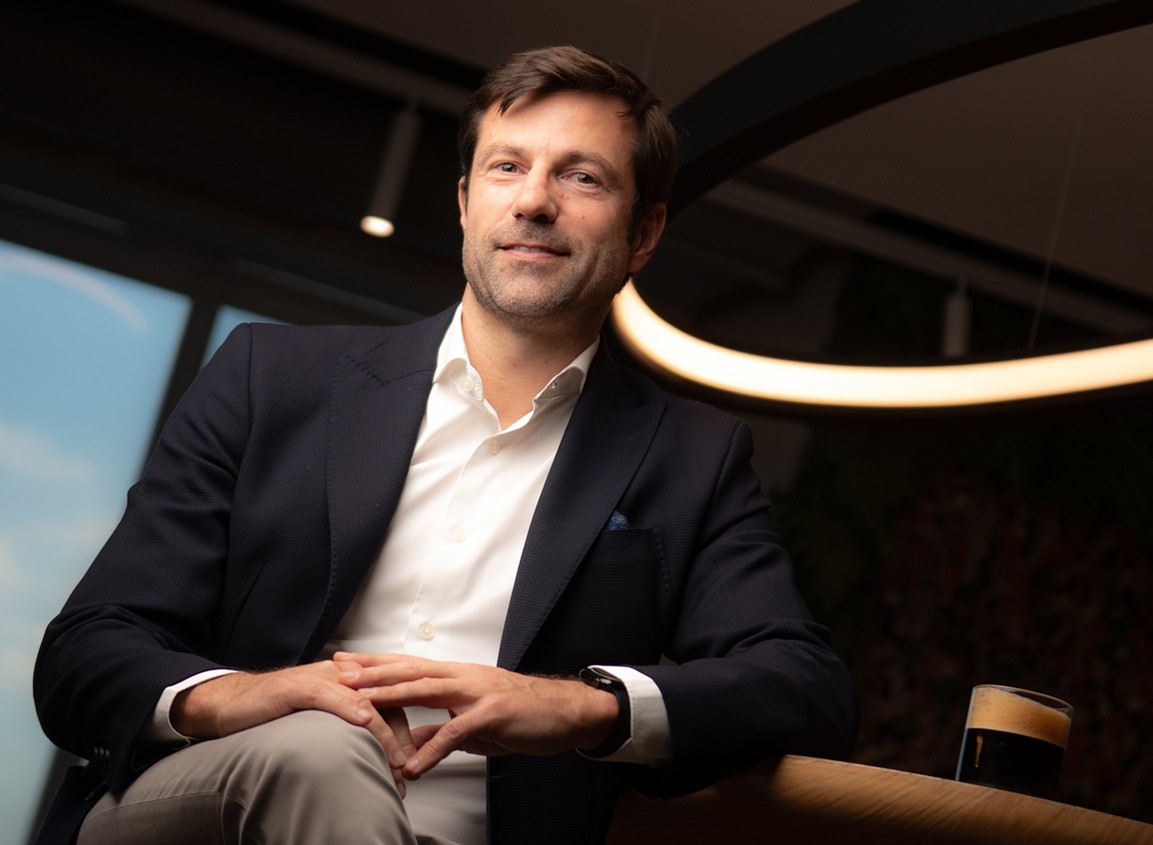
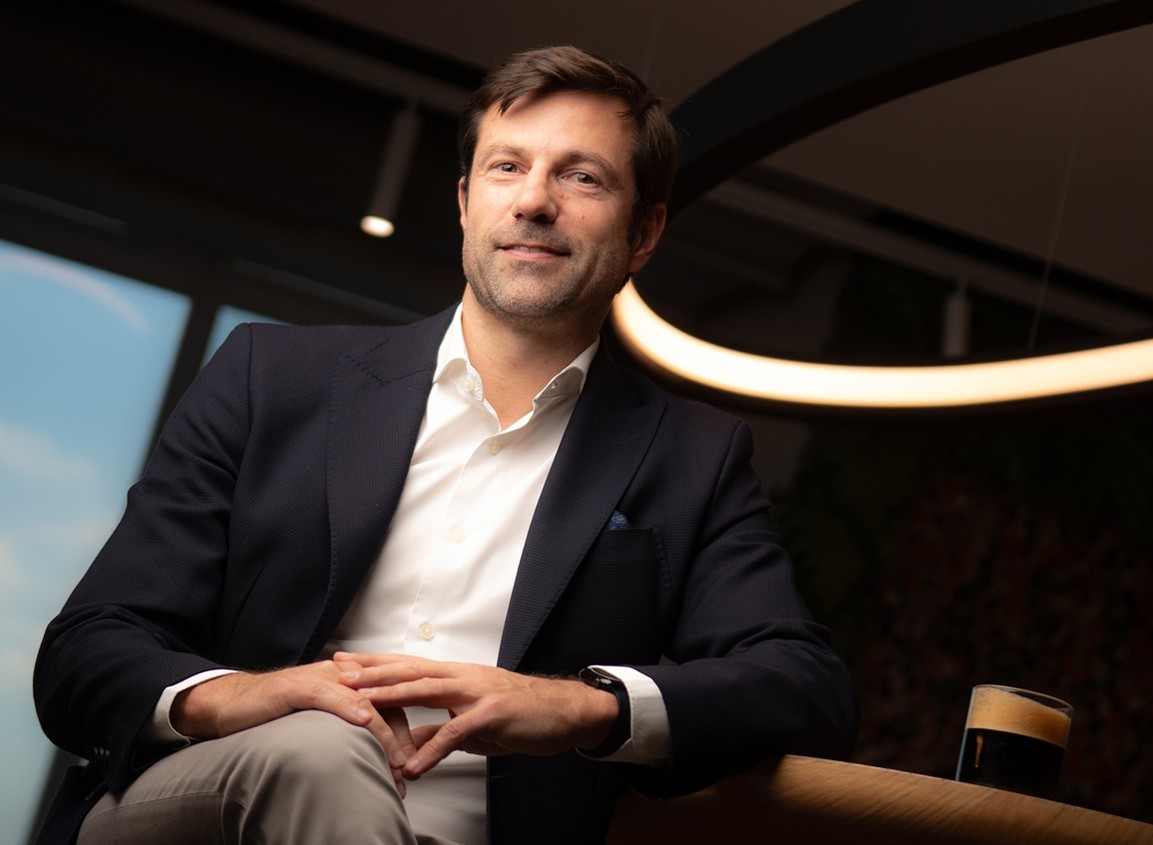
Francisco Nogueira Gabriel Reis/Valor Brazil, the world’s largest coffee producer and second-largest consumer of the beverage, has 97% of adults drinking coffee regularly, according to the Brazilian Coffee Industry Association (ABIC). In such a consolidated market, Nespresso, the Nestlé brand that created the coffee capsule category, is seeking to win over a new consumer profile: younger and willing to explore new flavors. To do so, the company is reshaping its marketing strategy, expanding its portfolio, investing in music-related experiences, and accelerating store expansion across the country. According to Francisco Nogueira, Nespresso’s executive director in Brazil, coffee is no longer associated only with traditional espresso and has begun to occupy different moments of the day. “Consumers want quality, but they also want to be challenged and to discover new types of coffee and different preparations,” the executive tells Valor. “Today, they are looking for quality, sophistication, attention to detail, service, and a complete experience in their contact with the brand,” he adds. Nespresso has been one of Nestlé’s growth drivers. In the first quarter of 2026, the brand posted organic growth of 5.1%, above the group’s 3.5% average, with sales of 1.6 billion Swiss francs ($2 billion) out of the group’s 21.3 billion Swiss francs ($26.5 billion). In 2025, Nespresso sales totaled $8 billion. Part of that strategy involves expanding the portfolio. In recent years, the company has launched capsules with floral, fruity, and sweet notes, as well as limited editions. Another of the company’s bets is on different beverage sizes. The Vertuo system, launched in 2023, allows coffee to be prepared in volumes ranging from 25 ml to more than 500 ml. The shift is also reflected in communications. After more than two decades with actor George Clooney as its main global ambassador, Nespresso announced singer Dua Lipa as the company’s new face this year. “Dua Lipa reflects this transition from a customer more accustomed to espresso and cappuccino to a customer who wants to explore on their own,” Nogueira said. According to the company, the campaign generated more than 1.9 billion impressions in its first week and helped expand the brand’s reach. In addition, in 2026, Nespresso expanded its presence in the music world for the first time. The brand sponsored a tour in Brazil by Canadian artist Abel Makkonen Tesfaye, known as The Weeknd, and launched the Samra Origins collection, developed in partnership with the artist. Nespresso currently operates on two business fronts. The first focuses on household consumption, while the second is Nespresso Professional, a division serving offices, hotels, restaurants, and coffee shops. This year, the company expanded its distributor network and expects to open another distribution center in São Paulo. The professional line currently has 14 permanent coffee varieties and three exclusive machine lines. In physical expansion, the company intends to end 2026 with 45 company-owned stores. So far, seven of the 10 boutiques planned for the year have already opened. As a result, the brand will have a presence in 14 states and 26 cities. Investments in expansion and infrastructure will be six times higher than those made in 2025. Brazil accounts for about 30% of the coffee the company uses worldwide. The company maintains partnerships with approximately 500 farms nationwide and invests about R$70 million annually in regenerative agriculture. “Climate change represents a growing challenge for the production chain and requires constant investment in sustainable practices,” Nogueira said. Brazil remains one of Nestlé’s main markets. With more than 100 years of operations in the country and 18 factories, the Brazilian subsidiary is now the company’s third-largest, behind only the United States and China. In 2025, the company posted sales of 3.98 billion Swiss francs in Brazil. Nespresso’s new phase comes amid Nestlé’s global reorganization. In 2025, the multinational posted organic growth of 3.5% and sales of 89.5 billion Swiss francs. Under Philipp Navratil, the company is carrying out a restructuring plan. Its announced targets include eliminating 16,000 jobs over two years and generating savings of 3 billion Swiss francs by 2027. Translation: Todd Harkin